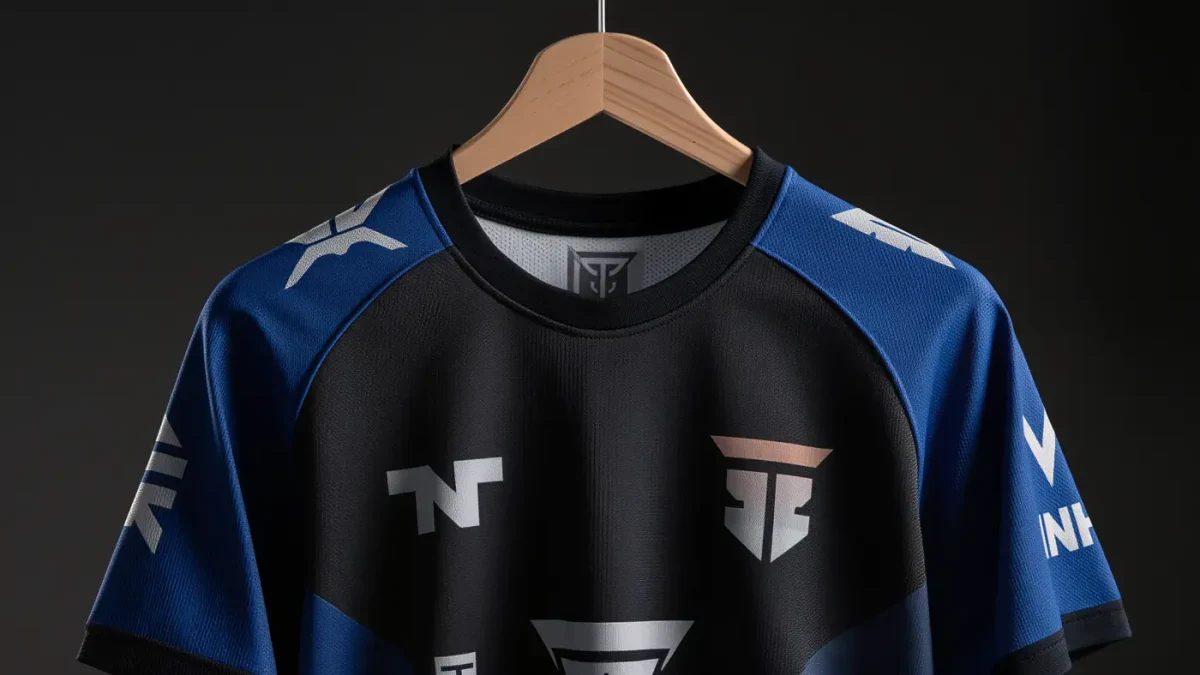
Esports teams make money from five main sources: sponsorship deals, revenue shares from league or publisher partnerships, tournament prize money, merchandise, and content such as streaming and media rights. Sponsorship has historically been the largest of these — commonly reported at more than half of a typical organization's revenue — which is why an esports jersey looks like a race-car: every logo is a paid contract. Understanding the mix explains why famous clubs have collapsed while others stay profitable, and why winning tournaments alone rarely pays the bills.
Why is sponsorship the biggest revenue stream?
Because esports delivers a young, hard-to-reach audience that brands pay to access. Deals include jersey and naming sponsorships, peripheral and PC-hardware partnerships, energy drink and snack brands, and — increasingly — non-endemic sponsors from banking, autos, and telecom. In exchange, sponsors get logo placement, content integrations, and access to the team's social audience. The dependence is structural: when the market tightened after 2022, sponsorship budgets shrank and organizations that had staffed up during the boom cut rosters or exited entirely. Teams with diversified income weathered it; teams living on sponsors alone did not.
What are league revenue shares and franchise slots?
Long-term partnerships with publishers. In franchised systems — the LCS in League of Legends, the Overwatch League before it dissolved, and the partnership model the Valorant Champions Tour has used since 2023 — organizations buy or are granted slots in a closed league. In return they receive a share of the league's commercial revenue: broadcast deals, sponsorships, and digital item sales associated with the league. Riot's VCT partnership, for example, is built around stipends and shared digital-goods revenue rather than a large entry fee. The trade-off is stability over merit: a partner slot protects an organization from relegation, and relegation is what used to kill clubs' income overnight in open leagues.
How much does prize money actually matter?
Less than fans assume. A championship run can be transformative — Dota 2's The International paid out roughly $40 million in 2021, the largest pool in the game's history — but prize income is volatile, top-heavy, and usually shared. Winnings are commonly split between the organization and players by contract, often with the players taking the majority, and the money arrives once a year at best. A mid-table organization in a franchised league can run sustainably without winning anything; a prize-dependent organization is one bad season from insolvency. Publishers noticed the same volatility, which is part of why Riot structured its leagues around revenue sharing rather than prize pools. The rise and later correction of esports valuations has been tracked by business outlets including Bloomberg.
Do teams earn money from streaming and content?
Increasingly, yes, in two forms. Individual players stream on platforms like Twitch and YouTube, and while those channels are usually the player's own business, they raise the organization's profile and its sponsorship value. Organizations also run their own media operations — documentary series, YouTube channels, social content — that either sell advertising directly or strengthen the sponsorship pitch. Media rights, meaning paid broadcast deals for league matches, are handled mostly at the league level and then shared with partner teams. Content is not usually the biggest line item, but it is the stream organizations control without a publisher's or sponsor's permission.
What do merchandising and ticket sales contribute?
Merchandising — jerseys, hoodies, peripherals co-branded with hardware partners — is a steady if unspectacular stream, and it scales with fandom rather than results. Ticket sales are mostly the tournament organizer's revenue, not the clubs', though popular home teams in league play and touring events have experimented with club-hosted matches. Some organizations have added physical presence: esports bars, training facilities rented to academies, and venue partnerships. These are supplementary lines, rarely the core.
Why have famous esports organizations gone out of business?
Because costs were built for a growth curve that stopped. During the late 2010s boom, venture capital funded large rosters across many games, big staffs, and expensive facilities, on the assumption that franchise slots and audience value would keep appreciating. When sponsorship growth slowed and crypto sponsors withdrew after 2022, organizations carrying those fixed costs had to downsize, merge, or shut down — several well-known North American and European brands either closed or exited multiple titles. The surviving clubs tend to share three traits: fewer games, more revenue streams, and salaries sized to actual income rather than projected income.
What does that mean for aspiring pros?
Treat team selection like a business decision. A stable organization in a revenue-share league with real sponsors offers a salary you can plan around; a prize-pool-dependent club offers upside that disappears with one bad bracket. Ask where the salary comes from, what happens if the main sponsor leaves, and how prize splits are written — the answers describe the organization's actual business model, not just its brand.
For more context, read Valorant Champions Tour Format: How Leagues, Masters, and Champions Connect.
For more context, read esports player contracts.
For more context, read the international prize pool history.